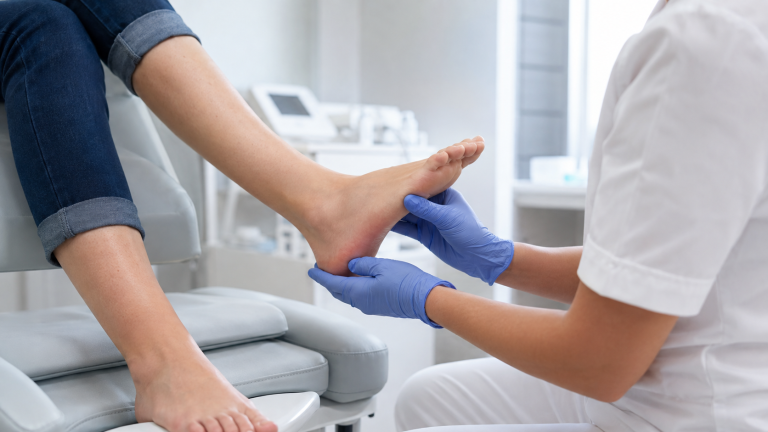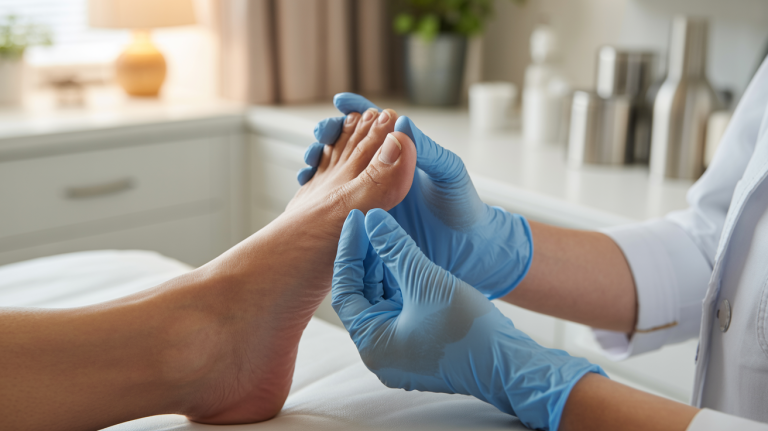
Recovery from ingrown toenail surgery usually takes several weeks. The wound may heal in around four to eight weeks, although some toes take up to 12 weeks or longer. Returning to everyday activities can happen sooner, depending on your work, footwear and the procedure you have.
The important distinction is between feeling comfortable again and having a fully healed toe. Even when pain has eased, the wound may still need a dressing and protection.
For people in Brentwood and Shenfield considering treatment, understanding the recovery process can make it easier to plan appointments, work and exercise.
Why might an ingrown toenail need surgery?
An ingrown toenail develops when the nail edge presses into the surrounding skin. This can cause tenderness, swelling and sometimes infection. If the problem keeps returning or does not respond to simpler treatment, your podiatrist may discuss removing the troublesome section.
You can read about ingrown toenail treatment and nail surgery at Louisa Seymour Podiatry. An assessment helps establish whether surgery is suitable, taking your symptoms and medical history into account.
The procedure is usually performed under local anaesthetic, which numbs the toe. In many cases, a chemical called phenol is used to prevent the removed section from growing back. This treatment also means the wound takes time to heal.
What should you expect on the day?
Plan a quiet day and arrange transport home. You should not drive on the day of surgery, and walking home can increase bleeding.
Once home, rest with your foot raised as directed. Take care while the toe remains numb, as you may not notice pressure or an accidental knock.
Some soreness can occur when the anaesthetic wears off. Ask your podiatrist or pharmacist about suitable pain relief, particularly if you take other medicines.
When can you return to work?
There is no single return date that suits everyone. Someone working at a desk may manage sooner than someone who spends the day standing, walking or wearing tight safety boots.
Before treatment, explain what your job involves. Your podiatrist can help you plan time off or temporary adjustments, such as fewer walking tasks and opportunities to rest your foot.
Choose footwear that accommodates the dressing without squeezing the toe. Being able to put a shoe on does not necessarily mean it is suitable for a full working day.
How should you look after the dressing?
Follow the written aftercare instructions from the clinician who performs your procedure. Keep the initial dressing in place until you are told to change it, and attend the arranged review.
After that, use the dressing type and changing routine you have been shown. Wash your hands before handling dressings and seek advice if a dressing becomes wet or dirty.
Do not start soaking the toe, applying creams or using antiseptics unless advised. Different procedures and wounds need different care.
Is some fluid from the toe normal?
A small amount of weeping can occur while the wound heals, especially after phenol treatment. Discharge alone does not automatically mean infection.
However, increasing pain, swelling, heat, spreading redness or pus needs prompt assessment. Contact your treating clinician or GP, and use NHS 111 if you cannot obtain timely advice. Seek urgent help for heavy bleeding that does not settle or if you feel unwell.
When can you exercise or swim?
Running, football and activities that repeatedly press on the toe can disrupt healing. Swimming can also expose an unhealed wound to water.
Wait until the wound has healed and your podiatrist has advised that these activities are appropriate. Build back gradually rather than testing the toe with a long run or a full match.
If you have an event or holiday planned, mention it before booking treatment.
Common questions about nail surgery recovery
Will the whole toenail be removed?
Not always. Sometimes only a narrow section needs removing. Your podiatrist will explain the options and how the nail is likely to look afterwards.
Can the ingrown nail return?
Treating the nail root aims to prevent regrowth, but recurrence is possible. A new painful nail edge should be checked.
What if I have diabetes or poor circulation?
Tell your podiatrist before treatment. These conditions can affect suitability, healing and the follow-up care you need. Do not treat a new wound or suspected infection yourself.
Planning your recovery in Brentwood
Good preparation means knowing how to protect the toe, manage dressings and recognise a problem. Follow your individual aftercare plan rather than judging progress against someone else’s recovery.
For advice about a recurring ingrown toenail, contact Louisa Seymour Podiatry in Brentwood or call 01277 216870 to arrange an assessment.