Losing weight is one of the best things many people can do for their overall health. It can reduce pressure on the joints, improve mobility and lower the risk of conditions such as type 2 diabetes and heart disease.
However, something many people don’t expect is that their feet can begin to hurt during or after significant weight loss.
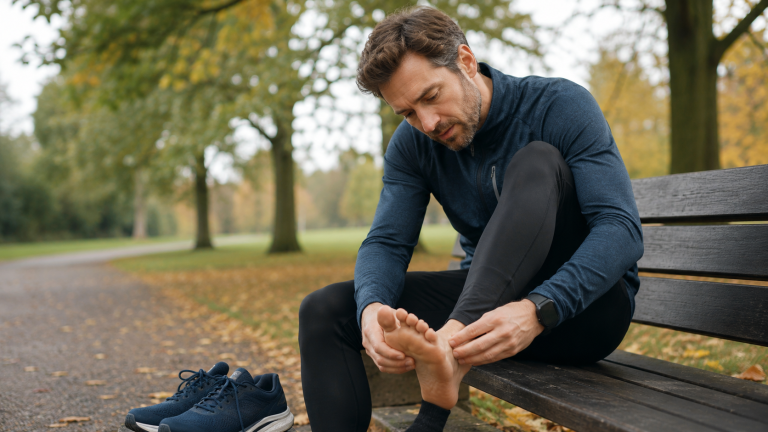
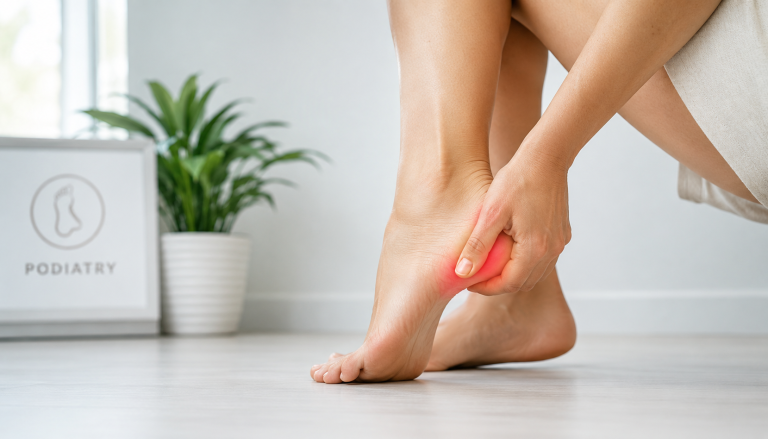
At Louisa Seymour Podiatry, we occasionally see patients who are surprised that after successfully losing weight, particularly over a relatively short period, they develop heel pain, aching arches or changes in the way they walk.
The good news is that these problems can usually be identified and treated before they become long-term issues.
Why Can Weight Loss Affect Your Feet?
Your feet constantly adapt to support your body. When your weight changes significantly, so do the forces travelling through your feet with every step.
Over time, your muscles, tendons and ligaments adjust to carrying a particular load. Rapid weight loss can alter this balance, meaning your gait and weight distribution may change.
This isn’t a reason to avoid losing weight. Instead, it’s simply something to be aware of during your health journey.
Common Foot Problems After Losing Weight
Some people experience:
- Heel pain or plantar fasciitis
- Arch discomfort
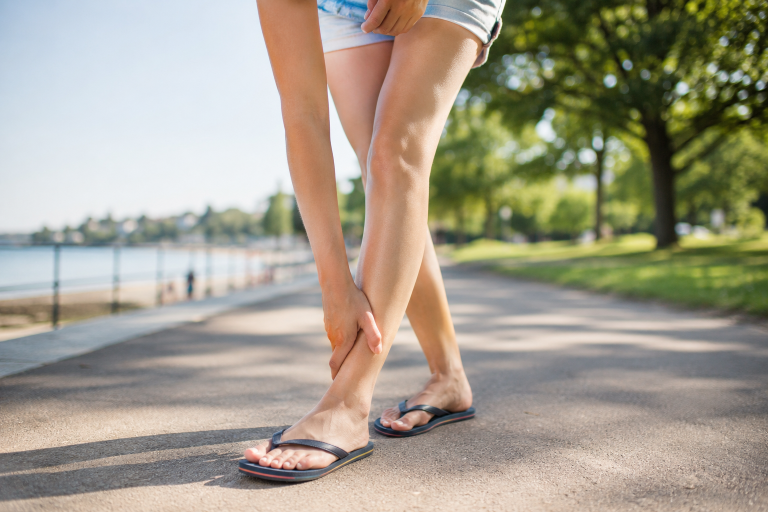
- Achilles tendon pain
- Forefoot pain
- Changes in walking pattern
- Muscle fatigue in the feet and lower legs
These symptoms may develop gradually over several weeks.
New Shoes May Be Needed
Many people are surprised to discover that their shoe size or foot shape changes after substantial weight loss.
As swelling reduces and the soft tissues around the foot change, shoes that once fitted well may become loose and provide less support.
Continuing to wear poorly fitting footwear can lead to rubbing, instability and unnecessary strain.
A professional footwear assessment can often identify simple changes that make a significant difference.
Exercise Can Increase the Load
Many people begin walking, running or attending the gym as part of their weight-loss programme.
While this is excellent for overall health, increasing activity levels too quickly can overload tissues that haven’t had time to strengthen.
This is particularly common in people who suddenly begin:
- Long daily walks
- Couch to 5K programmes
- Gym classes
- Hiking holidays
- Racquet sports
Gradually increasing activity gives your feet time to adapt.
Don’t Ignore Persistent Foot Pain
Some discomfort after increasing activity is normal, but ongoing pain isn’t.
Persistent pain may indicate:
- Plantar fasciitis
- Tendon irritation
- Stress injuries
- Biomechanical imbalance
- Changes in foot function
The earlier these issues are assessed, the easier they are usually to manage.
How a Podiatrist Can Help
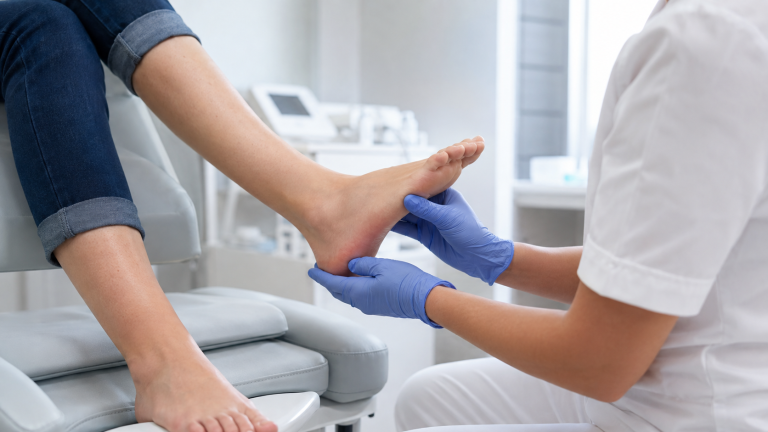
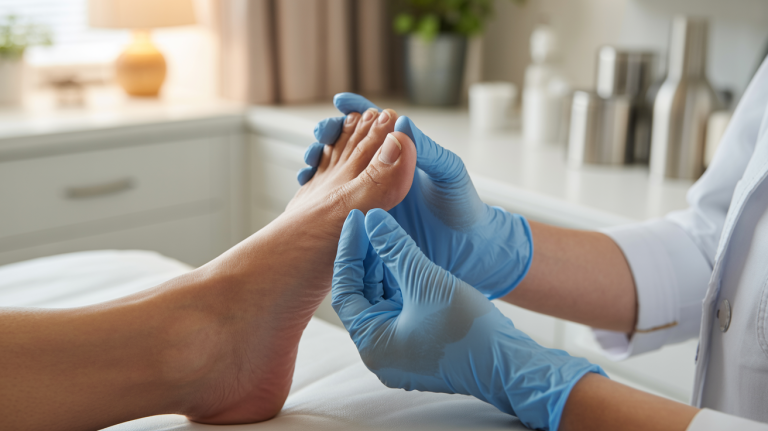
A podiatry assessment can identify exactly why your feet are becoming painful.
Treatment may include:
- A full biomechanical assessment
- Footwear advice
- Stretching and strengthening exercises
- Orthotic assessment where appropriate
- Treatment to reduce pain and inflammation
- Advice on returning to activity safely
Rather than simply treating the symptoms, the aim is to identify the underlying cause so you can continue enjoying a healthier, more active lifestyle.
Looking After Your Feet During Weight Loss
To reduce your risk of foot problems:
- Replace worn-out trainers regularly.
- Increase exercise gradually.
- Stretch your calf muscles daily.
- Wear supportive footwear for walking.
- Don’t ignore pain that lasts more than a few days.
- Seek professional advice before small problems become larger ones.
Conclusion
Losing weight brings enormous health benefits, but it’s important to remember that your feet are adapting too. Changes in body weight, activity levels and footwear can all influence how your feet function.
If you’ve recently lost weight and have developed heel pain, aching arches or discomfort when walking, a podiatry assessment can identify the cause and help keep you moving comfortably.
At Louisa Seymour Podiatry, we provide expert assessment and treatment for a wide range of foot conditions, helping patients throughout Brentwood and the surrounding areas stay active and pain free.