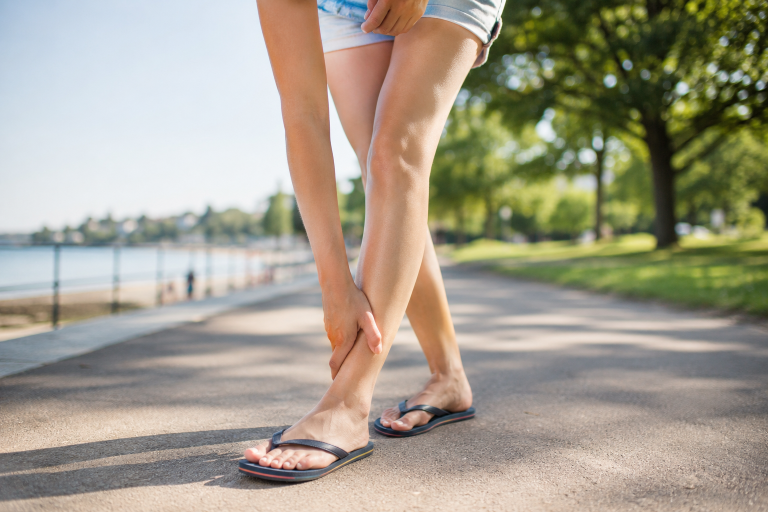
As autumn approaches, many people return to running, join organised walking events or spend longer days exploring the countryside. While this is excellent for your general health, a sudden increase in activity can sometimes leave you with a sore, bruised or black toenail.
A black toenail is particularly common among runners and long-distance walkers, but it should not automatically be ignored. Although it is usually caused by repeated pressure or trauma, nail discolouration can occasionally have another underlying cause.
Why Do Toenails Turn Black?
The most common cause of a black toenail is bleeding underneath the nail, known as a subungual haematoma.
This happens when the toe repeatedly strikes the front or top of the shoe. The impact damages tiny blood vessels beneath the nail, allowing blood to collect underneath it. The nail may initially appear red or purple before becoming dark brown or black.
It can happen during one particularly long walk or run, or develop gradually through repeated activity.
Why Runners and Walkers Are Particularly Vulnerable
Several factors can increase the risk of developing a bruised toenail:
- Shoes that are too short or narrow
- Feet sliding forwards inside the shoe
- Running or walking downhill
- Long or uneven toenails
- A sudden increase in distance or intensity
- Thick socks making footwear feel tighter
- Feet swelling during prolonged activity
Your feet can swell noticeably during a long run or walk. Shoes that feel comfortable at the beginning may become restrictive several miles later.
The second toenail is often affected because, for many people, the second toe is slightly longer than the big toe. However, any toenail can become bruised if it is repeatedly pressed against the shoe.
What Does a Bruised Toenail Feel Like?
Alongside the change in colour, you may experience:
- Tenderness when pressing the nail
- A throbbing sensation
- Pain when wearing enclosed footwear
- Swelling around the toe
- A feeling of pressure beneath the nail
- The nail becoming loose over time
In mild cases, there may be little or no pain. You might only notice the discolouration when removing your socks after exercising.
Will the Toenail Fall Off?
Sometimes. A badly damaged nail may gradually loosen and separate from the nail bed. A new nail will usually begin growing underneath, although toenails grow slowly and a big toenail can take 12 to 18 months to grow back fully.
Do not pull off a loose nail. It may still be protecting the sensitive skin underneath. A podiatrist can safely trim or reduce loose sections while helping to protect the new nail as it grows.
Should You Drain a Black Toenail Yourself?
No. Piercing, cutting or burning a hole through the nail at home can introduce infection or cause further damage.
If blood beneath the nail is creating severe pain or pressure, seek professional advice promptly. In suitable cases, a healthcare professional may be able to relieve the pressure safely. This is generally most useful soon after the injury, rather than several weeks later.
When a Black Toenail Needs Professional Attention
Book a podiatry appointment if:
- The toe is very painful or throbbing
- A large area of the nail has turned black
- The nail is lifting or catching on socks
- There is redness, heat, swelling or discharge
- The discolouration appeared without an obvious injury
- The mark is not growing out with the nail
- The surrounding skin has also changed colour
- You regularly develop bruised toenails
- You have diabetes, reduced sensation or poor circulation
Not every dark toenail is caused by bruising. Fungal nail infections can create brown or yellow discolouration, while other forms of pigmentation may also appear beneath the nail. Rarely, a persistent dark mark can require further medical investigation.
A professional assessment is therefore important when there is no clear history of trauma or the nail does not improve as expected.
How to Prevent Black Toenails
Check the Fit of Your Footwear
There should be enough room in front of your longest toe, without the shoe feeling loose around the heel. Try sports footwear later in the day, when your feet may be slightly larger.
Secure Your Heel
Correct lacing can help prevent the foot sliding forwards, particularly when walking or running downhill. Your footwear should hold the heel securely without placing excessive pressure across the top of the foot.
Keep Toenails at a Sensible Length
Trim nails straight across and avoid cutting them excessively short. Nails that are too long can repeatedly strike the shoe, while nails cut incorrectly may be more likely to become ingrown.
Increase Your Distance Gradually
Suddenly doubling your usual walking or running distance places additional stress on your feet. Build up slowly and give your feet time to adapt.
Choose Suitable Socks
Wear comfortable, moisture-wicking socks without bulky seams around the toes. Check that thicker autumn socks do not make previously comfortable shoes too tight.
How a Podiatrist Can Help
A podiatrist can examine the nail, establish whether the discolouration is likely to be bruising and check for signs of infection or other nail conditions.
Treatment may include carefully reducing a thick or damaged nail, removing loose edges, relieving pressure where appropriate and advising you on footwear, nail care and preventing the problem from returning.
If you repeatedly experience black toenails, the issue may be related to footwear fit, toe position or the way your feet move inside your shoes.
Keep Moving Without Sacrificing Your Toenails
A black toenail may be a common consequence of running and long-distance walking, but recurring nail damage is not something you simply have to accept.
If you have developed a painful or discoloured toenail, or you are unsure what has caused the change, contact Louisa Seymour Podiatry in Brentwood for professional assessment and advice.