When the sun comes out, many of us swap our trainers and shoes for flip-flops. They are convenient, lightweight and perfect for the beach or around the garden. However, if you’re finding that your feet, heels or arches become sore during the summer months, your footwear could be part of the problem.
At Louisa Seymour Podiatry, it’s common to see patients experiencing foot pain that has developed or worsened after spending long periods wearing unsupportive summer footwear. While flip-flops certainly have their place, they may not be the best choice for all-day wear.
Why Flip-Flops Can Cause Problems
Unlike most shoes, flip-flops offer very little support for your feet. They typically have thin soles, no arch support and no fastening around the heel.
To keep them on your feet, your toes naturally grip the sole as you walk. This changes the way your foot functions and can place additional strain on muscles, tendons and joints.
Over time, this can lead to discomfort or even injury, particularly if you are walking long distances or standing for extended periods.
Common Foot Problems Linked to Flip-Flops
Heel Pain
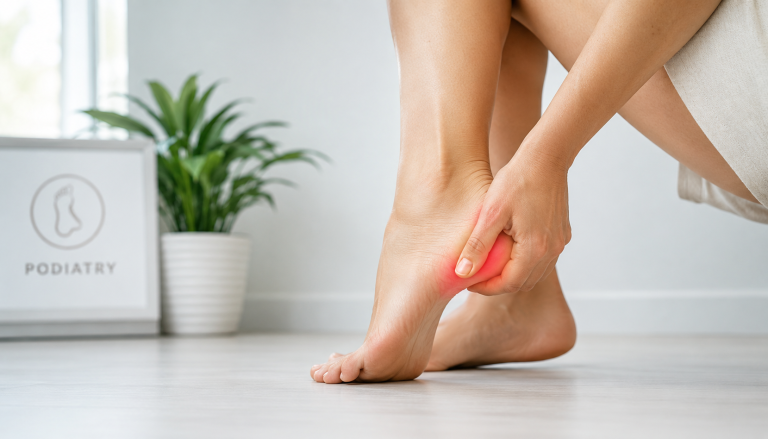
One of the most common complaints is pain under the heel, often associated with plantar fasciitis.
Without adequate cushioning and support, the plantar fascia, a band of tissue running along the bottom of the foot, can become irritated and inflamed.
Many people notice the pain is worse first thing in the morning or after periods of rest.
Arch Pain
The lack of arch support in many flip-flops can place extra stress on the foot’s natural structures.
People with naturally flat feet or high arches may be particularly susceptible to discomfort when wearing unsupported footwear for prolonged periods.
Tendon Strain
The constant gripping motion required to keep flip-flops on can place additional strain on the tendons in the foot and ankle.
This may contribute to pain on the top of the foot, around the ankle or along the arch.
Corns and Calluses
Poorly fitting flip-flops can create friction and pressure points.
This can increase the likelihood of developing corns, calluses and areas of hard skin, particularly around the toes and ball of the foot.
Hot Weather Can Make Matters Worse
Summer often means more walking, holidays, sightseeing, festivals and days spent outdoors.
At the same time, warmer temperatures can cause feet to swell slightly, changing the way footwear fits and increasing friction.
The combination of increased activity and unsupportive footwear can create the perfect conditions for foot pain to develop.
Are All Flip-Flops Bad?
Not necessarily.
Flip-flops are ideal for short periods, such as walking around a swimming pool, using communal changing facilities or spending time at the beach.
Problems tend to arise when they become your primary footwear for long walks, shopping trips or all-day use.
If you prefer open footwear during the summer, look for sandals that offer:
- Good arch support
- Cushioned soles
- Adjustable straps
- Secure heel support
- Quality construction
These features help your feet function more naturally and reduce unnecessary strain.
When Should You See a Podiatrist?
If you are experiencing:
- Persistent heel pain
- Arch pain
- Foot or ankle discomfort
- Pain when walking
- Corns or calluses that keep returning
it may be worth seeking professional advice.
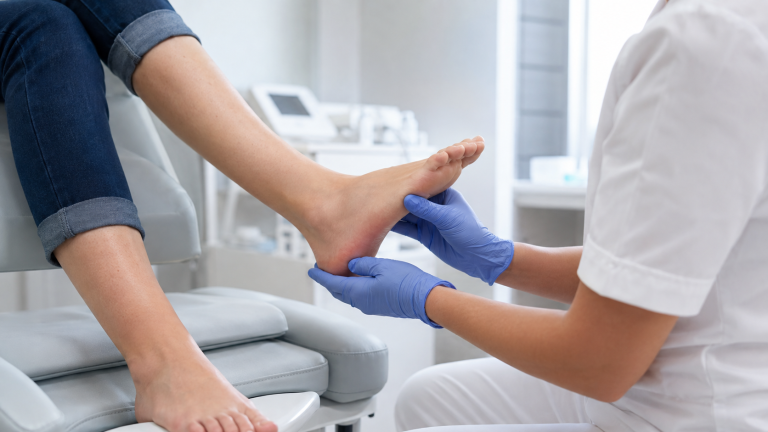
A podiatrist can assess your foot function, identify the underlying cause of the problem and recommend appropriate treatment or footwear solutions.
Looking After Your Feet This Summer
Your feet work hard every day, especially during the summer months when activity levels often increase.
Choosing supportive footwear and addressing minor aches early can help prevent more significant problems developing later on.
If summer foot pain is affecting your comfort or mobility, Louisa Seymour Podiatry can provide professional assessment and tailored treatment to help keep you active and pain-free throughout the season.