Many people expect foot problems to ease during the warmer months, but summer can actually trigger a range of common foot complaints. Changes in footwear, increased activity, heat, and swelling can all place extra stress on your feet.
At Louisa Seymour Podiatry, it’s common to see more patients during late spring and summer with issues such as heel pain, blisters, arch discomfort, cracked heels, and forefoot pain.
Whether you are spending more time walking outdoors, going on holiday, exercising more frequently, or simply wearing different shoes, summer can have a bigger impact on your feet than many people realise.
Summer footwear can cause foot pain
One of the biggest causes of seasonal foot pain is a change in footwear.
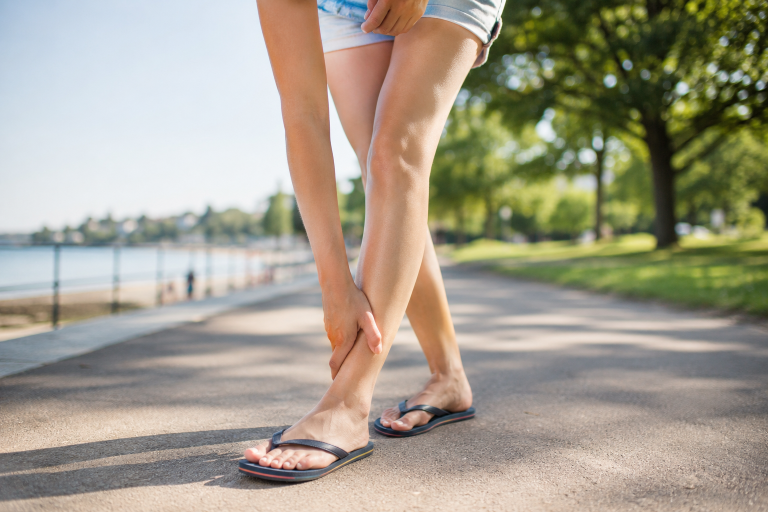
Flip-flops, flat sandals, sliders, and unsupportive summer shoes may feel comfortable initially, but many offer very little cushioning or arch support. This can place additional strain on the muscles, tendons, and ligaments in the feet.
Poor summer footwear is commonly linked to:
- Heel pain
- Arch pain
- Plantar fasciitis
- Achilles tendon discomfort
- Pain in the balls of the feet
- Blisters and rubbing
People often walk much further in summer than they do during colder months, especially on holidays, day trips, or weekends away. When combined with poor footwear, this can quickly lead to inflammation and discomfort.
Heat and swelling can make feet uncomfortable
Warm weather naturally causes blood vessels to expand, which can lead to swollen feet and ankles.
For people who spend long hours standing at work, travelling, or walking around during hot weather, swelling can become uncomfortable and make shoes feel tight.
This increased pressure may worsen existing foot problems such as:
Corns and calluses
Bunions
Ingrown toenails
Joint pain
Arthritic foot conditions
Feet can also become more tired and achy during hot weather due to dehydration and increased activity levels.
Cracked heels become more common in summer
Cracked heels are particularly common during summer because feet are more exposed.
Open-backed sandals and walking barefoot place pressure on the heel, causing dry skin to thicken and split. Hot weather can also dry the skin out further, especially after swimming or prolonged sun exposure.
While mild cracked heels may seem harmless initially, deeper cracks can become painful and may even bleed or become infected.
Regular moisturising and professional foot care can help keep heels healthy and comfortable.
You can find out more about professional foot care treatments here:
Routine Foot Care
Summer sports and activity can increase strain
Many people become more active during the warmer months. Running, hiking, long walks, tennis, and outdoor fitness activities all place extra demands on the feet.
Without proper support or gradual conditioning, this increase in activity can contribute to:
- Plantar fasciitis
- Stress injuries
- Achilles tendon problems
- Forefoot pain
- Toenail trauma
Runners and active individuals often ignore early warning signs until pain begins affecting daily movement.
Seeing a podiatrist early can help identify the cause before the issue worsens.
How to protect your feet during summer
A few simple steps can make a significant difference during warmer weather.
Helpful summer foot care advice includes:
- Choosing supportive sandals or trainers
- Avoiding walking barefoot for long periods
- Moisturising feet regularly
- Keeping feet clean and dry
- Wearing properly fitted footwear
- Increasing activity levels gradually
- Staying hydrated during hot weather
If you are travelling, it is also important to avoid wearing completely flat footwear for long sightseeing days, as this often triggers heel and arch pain.
When to see a podiatrist
It’s worth booking an appointment if foot pain persists for more than a few days or begins interfering with daily activities.
Professional podiatry assessment can help identify the underlying cause of pain and provide appropriate treatment before the condition becomes more serious.
At Louisa Seymour Podiatry, treatment plans are tailored to the individual and may include foot care treatment, footwear advice, biomechanical assessment, orthotics, or ongoing management for chronic conditions.
Conclusion
Summer should be a time to enjoy being active and spending more time outdoors, not struggling with painful feet.
Simple changes in footwear and activity levels can place extra strain on the feet without people realising it. Early treatment and professional advice can help prevent small issues from becoming long-term problems.
Louisa Seymour Podiatry provides professional foot care and podiatry treatment for patients across Essex, helping people stay comfortable, active, and mobile throughout the summer months.