Living with stiffness and ongoing pain in your feet, ankles, or lower limbs can be frustrating and exhausting. Many people worry that worsening discomfort automatically means injections or surgery, but in reality, a large number of foot and joint problems can be managed effectively without surgical intervention. At Louisa Seymour Podiatry, we regularly help patients reduce pain, improve movement, and regain confidence using conservative, non-invasive treatments.
Understanding Why Stiffness and Pain Develop
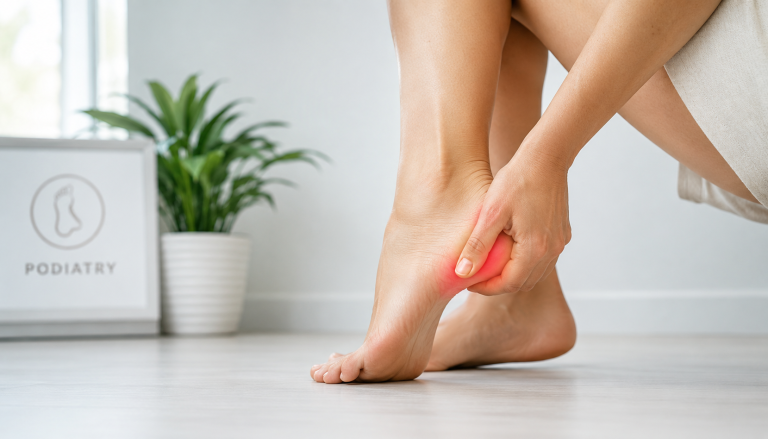
Stiffness and pain often develop gradually due to everyday wear and tear, changes in foot structure, reduced mobility, or altered walking patterns. Common contributing factors include arthritis, tendon strain, poor footwear, reduced circulation, and muscle weakness. When joints and soft tissues are not moving as they should, inflammation can build up, leading to discomfort and restricted movement.
The Importance of Early Intervention
One of the most effective ways to avoid surgery is to address symptoms early. Ignoring stiffness or pushing through pain can cause compensatory movement, placing extra strain on other joints such as the knees, hips, and lower back. Early podiatry assessment allows underlying issues to be identified and managed before they become more serious.
Improving Movement Through Footwear and Support
Supportive footwear plays a major role in reducing pain and stiffness. Shoes with proper cushioning, arch support, and a stable heel can significantly reduce stress on joints and soft tissues. In some cases, custom orthotics or insoles are recommended to improve alignment, redistribute pressure, and support natural movement. These adjustments can relieve pain without the need for invasive procedures.
Strengthening and Stretching for Long-Term Relief
Targeted exercises are highly effective in improving flexibility, strength, and joint function. Stretching tight muscles helps restore range of motion, while strengthening exercises support joints and reduce instability. Simple routines focusing on the feet, ankles, and calves can ease stiffness, especially first thing in the morning or after periods of rest.
Managing Inflammation and Circulation
Reducing inflammation is key to managing pain without surgery. Gentle movement, appropriate rest, and professional advice on activity levels can all help. Improving circulation through regular walking, foot exercises, and elevation can reduce swelling and stiffness, particularly in older adults or those with circulation concerns.
The Role of Podiatry Treatment
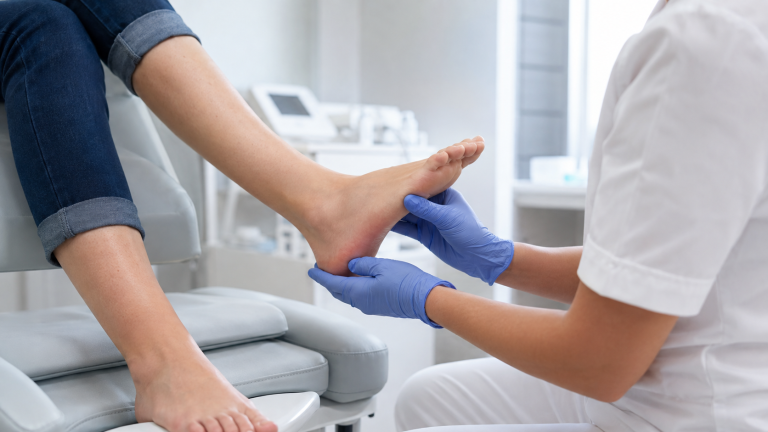
Podiatry treatment may include routine foot care, joint mobilisation, advice on activity modification, orthotic therapy, and guidance on managing long-term conditions such as arthritis. Each treatment plan is tailored to the individual, focusing on reducing pain while maintaining mobility and independence.
When Surgery Is Not the First Option
Surgery is usually considered only when conservative treatments have been explored and symptoms continue to limit daily life. For many patients, non-surgical podiatry care provides lasting relief and prevents the need for more invasive procedures.
Conclusion
Stiffness and pain do not have to mean surgery. With the right support, early intervention, and personalised care, many foot and joint problems can be managed effectively. If stiffness or pain is affecting your daily life, Louisa Seymour Podiatry can help you explore safe, practical ways to reduce discomfort and keep you moving comfortably.